
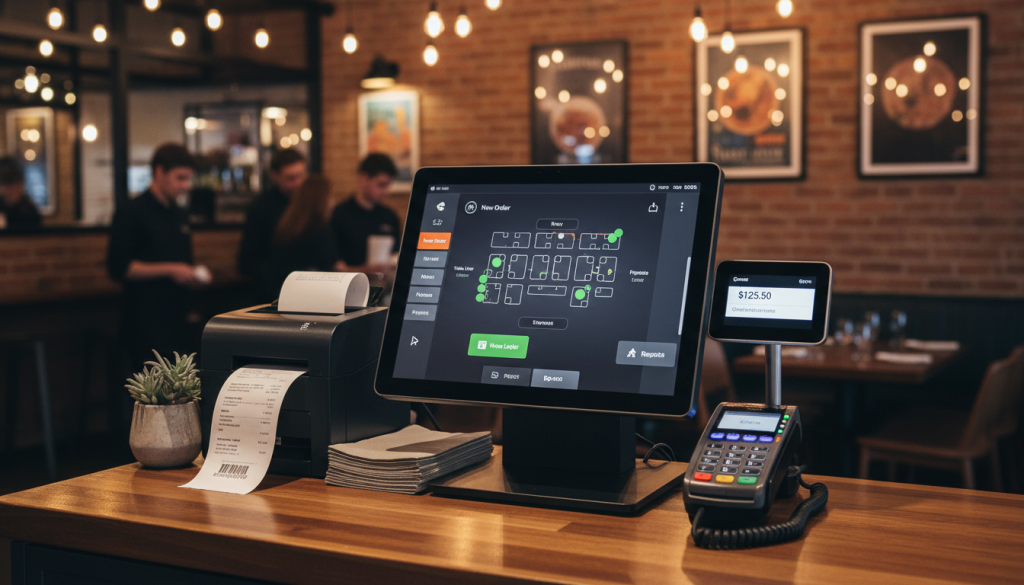
In the high-stakes world of the hospitality industry, the difference between a thriving establishment and one that struggles often comes down to seconds and cents. As guest expectations evolve and operational costs continue to fluctuate, the traditional cash register has become a relic of the past. Today, a restaurant EPOS system is no longer just a luxury for high-end dining; it is the fundamental engine that drives efficiency, staff satisfaction, and bottom-line profitability.
For modern restaurateurs, the challenge isn’t just finding a way to process payments—it’s about finding a digital partner that can streamline the chaos of a busy service.
The Evolution of the Front-of-House Experience
Walk into any successful bistro, gastropub, or fine-dining venue today, and you’ll notice a common thread: seamlessness. When a waiter takes an order on a handheld device and that order instantly appears on the kitchen display system (KDS), the “human touch” of service is actually enhanced, not replaced.
A professional restaurant EPOS system eliminates the frantic running back and forth between the table and a stationary till. This reduction in “dead time” allows front-of-house staff to focus on what matters most: the guests. By ensuring that every modification—whether it’s an allergy requirement or a specific steak temperature—is communicated clearly to the kitchen, the system acts as a safeguard against costly errors and food waste.
Data: The Secret Ingredient to Success
One of the most significant advantages of migrating to a sophisticated POS solution is the wealth of data it generates. Historically, restaurant owners had to rely on “gut feeling” to determine which menu items were performing well. Today, the analytical power of a modern EPOS provides a granular view of the business:
- Menu Engineering: Easily identify “stars” (high profit, high popularity) and “dogs” (low profit, low popularity) to optimize your offerings.
- Labor Management: Analyze sales heatmaps to understand exactly when you are overstaffed or understaffed, allowing for smarter rota planning.
- Inventory Transparency: Real-time stock tracking ensures you never run out of a signature ingredient mid-shift, and helps in identifying “shrinkage” or wastage.
Integration: A Unified Ecosystem
The modern hospitality landscape is fragmented across various platforms—delivery apps, table booking sites, and loyalty programs. A standalone till creates a “data silo” that forces managers to manually reconcile figures at the end of the night.
A high-quality restaurant EPOS system serves as a central hub. By integrating with third-party delivery services, orders from outside the four walls of the restaurant flow directly into the same workflow as in-house diners. This unified approach reduces the mental load on kitchen staff and ensures that financial reporting is accurate down to the last penny.
Why This Matters for SEO and Indexability
From a digital marketing perspective, search engines like Google have moved toward rewarding “Helpful Content.” Articles that provide genuine industry insights, practical tips, and a professional tone are prioritized for indexing. For those utilizing this content for niche edits or guest posts, the focus on E-E-A-T (Experience, Expertise, Authoritativeness, and Trustworthiness) is vital.
By discussing the specific operational benefits—such as cloud-based reporting and offline functionality—this article establishes a level of authority that search engines recognize as valuable to the end-user.
Conclusion: Future-Proofing Your Venue
As the industry moves closer toward a fully digital ecosystem, the cost of staying with legacy hardware becomes higher every day. Investing in a robust restaurant EPOS system is an investment in the sanity of your staff and the experience of your guests. It provides the clarity needed to make tough business decisions and the speed required to stay competitive in an ever-crowded market.
In the end, technology should empower hospitality, not get in its way. With the right tools in place, you can spend less time staring at a screen and more time crafting the perfect dining experience.
