
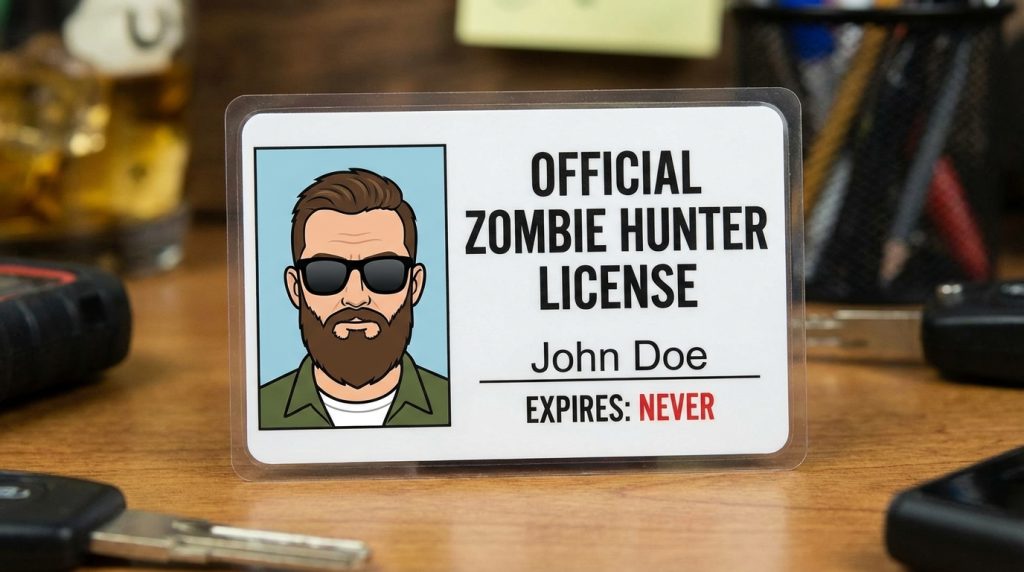
In today’s digital world, identity verification plays a crucial role in everything from online transactions and event access to age-restricted services and workplace security. As interest grows around alternative identification formats, the term novelty id has become increasingly visible online. While novelty IDs are often associated with entertainment or collectible purposes, it is important to understand what they are, how they differ from official identification, and why responsible use matters.
This guide explores the concept of novelty IDs, their legitimate uses, legal boundaries, and the importance of relying on authorized identity documents for official purposes.
What Is a Novelty ID?
A novelty ID is a non-government-issued identification card designed primarily for entertainment, costume events, novelty collections, or visual props. These IDs are not legally recognized as valid identification and are not intended to replace official government IDs such as passports, driver’s licenses, or national identity cards.
In legitimate contexts, novelty IDs are often used for:
- Movie and theater productions
- Costume parties and themed events
- Visual props for marketing or design projects
- Personal novelty collections
- Educational demonstrations about ID design
The defining feature of a novelty ID is that it does not carry legal authority and must never be presented as an official document.
Novelty ID vs. Official Identification
Understanding the difference between a novelty ID and a real ID is essential to avoid legal complications.
Official IDs are issued by government agencies and are legally valid for identity verification, age confirmation, travel, and financial transactions. These documents are protected by strict laws and security standards.
Novelty IDs, on the other hand, are privately produced and lack legal standing. They should be clearly labeled or visually distinct from real IDs to prevent confusion or misuse.
Using a novelty ID in situations that require legal identification—such as banking, travel, or age-restricted purchases—is illegal and can result in serious legal consequences.
Legal and Ethical Considerations
The legality of novelty IDs depends largely on their intended use. While owning a novelty ID for entertainment or educational purposes may be lawful in many regions, attempting to use it as real identification is not.
Key legal considerations include:
- Misrepresentation: Presenting a novelty ID as a real ID is considered fraud.
- Identity Theft Risks: Any misuse of identity data can lead to criminal liability.
- Age Misrepresentation: Using a novelty ID to bypass age restrictions is illegal.
- Document Forgery Laws: Producing or using imitation IDs can violate forgery statutes.
Responsible platforms emphasize that novelty IDs must never be used for official or deceptive purposes.
Why Identity Verification Matters
Identity verification systems exist to protect individuals, businesses, and institutions. Whether it’s confirming a person’s age, verifying employment eligibility, or securing financial transactions, valid identification helps prevent fraud and misuse.
Relying on legitimate identification ensures:
- Legal compliance
- Personal data protection
- Accurate age verification
- Secure access to services
- Reduced risk of financial fraud
A novelty ID, by design, does not meet these standards and should never replace authorized documents.
Educational Value of Novelty IDs
In certain educational and creative contexts, novelty IDs can serve a useful purpose. Designers, educators, and event planners sometimes use novelty IDs as visual aids to demonstrate ID layout, security design principles, or document formatting concepts.
Examples of educational uses include:
- Teaching students about document security features
- Demonstrating design differences between IDs
- Training customer service teams on how to spot fake IDs
- Using props in films and advertising
When used transparently, novelty IDs can be informative without crossing legal boundaries.
Responsible Use Guidelines
If you encounter or own a novelty ID, responsible handling is essential.
Best practices include:
- Never presenting a novelty ID as real identification
- Avoiding any form of impersonation
- Keeping novelty IDs clearly labeled as non-official
- Not using novelty IDs for financial, travel, or legal purposes
- Respecting local laws regarding imitation documents
Following these guidelines ensures that novelty IDs remain within legal and ethical limits.
Legal Alternatives to Novelty IDs
For anyone needing proper identification, the only lawful solution is to obtain an official government-issued ID. This includes:
- National identity cards
- Driver’s licenses
- Passports
- Residency permits
- Student or employee IDs (issued by recognized institutions)
Many governments now offer streamlined online application processes for legitimate ID replacements or renewals.
Understanding the Risks of Fake IDs
Fake IDs—unlike novelty IDs used responsibly—are illegal documents designed to deceive. The risks associated with fake IDs include:
- Criminal charges
- Heavy fines and penalties
- Permanent legal records
- Identity theft exposure
- Employment and academic consequences
Educational awareness around these risks helps discourage misuse and promotes lawful behavior.
About IDZone and Identity Awareness Resources
Platforms such as IDZone provide informational resources and novelty-style products intended for visual or entertainment purposes only. These platforms emphasize that novelty IDs are not legal documents and should not be used for identity verification.
Final Thoughts
A novelty ID can be a harmless prop or educational tool when used responsibly and within legal boundaries. However, it must never be treated as a substitute for official identification or used to misrepresent personal identity.
Understanding the legal, ethical, and practical implications of novelty IDs helps promote responsible behavior and protects individuals from legal risk. When identification is required for official purposes, always rely on valid, government-issued documents.
