
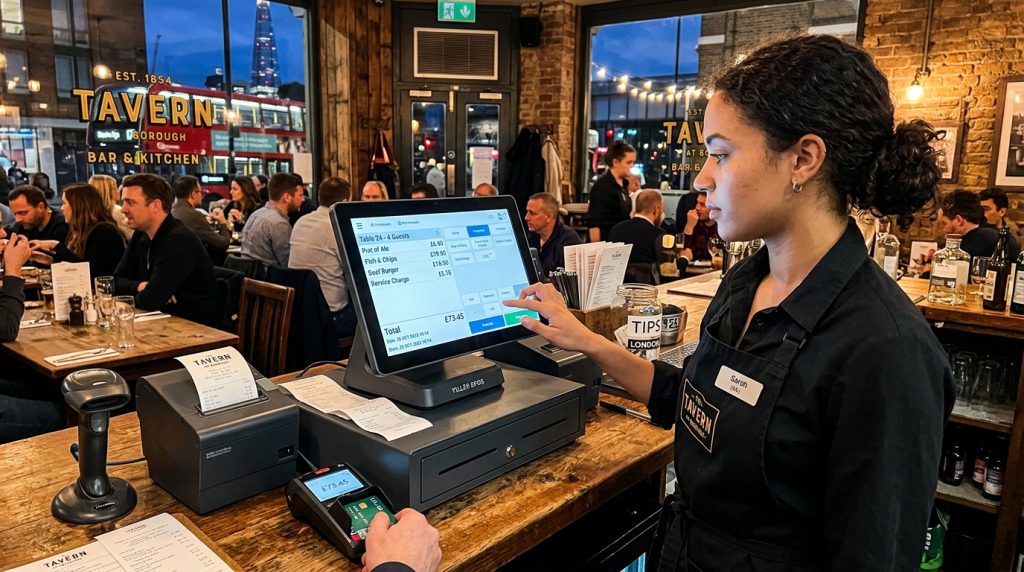
The hospitality sector across major United Kingdom cities is currently defined by its rapid pace and high customer expectations. Whether it is a busy metropolitan diner in the heart of the capital or a trendy eatery in the Midlands, the secret to maintaining a competitive edge lies in operational efficiency. To achieve this, forward-thinking business owners are replacing legacy cash registers with advanced, cloud-based management platforms that seamlessly connect the dining room with the kitchen.
Mastering the Dynamic London Culinary Scene
London remains one of the world’s most vibrant and demanding food capitals. From the high-turnover street food stalls of Shoreditch to the refined dining spaces of Mayfair, speed, accuracy, and professional service are non-negotiable. For metropolitan establishments, deploying a robust Restaurant EPOS London system has become a foundational requirement for managing complex daily operations.
In a fast-paced city restaurant, the transition of an order from the guest’s table to the kitchen must be instantaneous. Modern point-of-sale systems allow servers to utilize handheld tablets to send order data straight to kitchen display screens right from the tableside. This immediate synchronization eliminates the need for staff to walk back and forth to a central terminal, keeping them on the floor longer to engage with guests and upsell specials. Additionally, with London driving the shift toward a completely cashless economy, an integrated system securely handles modern digital transactions—including mobile wallets and wearable tech—in milliseconds.
Elevating the Midlands Dining Experience
Further north, Birmingham’s culinary scene is experiencing an impressive renaissance. With independent bistros and cultural food hubs expanding rapidly across areas like the Jewellery Quarter, local venues are facing a spike in competition. Implementing a dedicated Restaurant POS system in Birmingham allows local owners to handle peak trading hours without the typical administrative bottlenecks.
A restaurant-focused point-of-sale terminal simplifies the chaos of the weekend rush. It allows front-of-house staff to manage complicated floor plans, track table statuses in real-time, and handle split bills effortlessly with a single tap. Behind the scenes, the integrated software tracks granular ingredient inventory automatically as dishes are sold. This data-driven approach helps chefs optimize their menus, minimize food waste, and protect thin profit margins against fluctuating supply costs.
Key Operational Advantages of Smart Hardware
Adopting a specialized digital infrastructure provides business owners with valuable backend benefits:
- Labor Efficiency: Review hourly transaction patterns to align staff rotas perfectly with peak trading hours, lowering unnecessary labor costs.
- Menu Engineering: Easily analyze sales data to identify high-margin dishes and phase out underperforming menu items.
- Cloud Accessibility: Monitor daily takings, update menu pricing, and check stock levels remotely from a smartphone or laptop at any time.
A Foundation for Sustainable Growth
As the UK hospitality market continues to evolve, the gap between traditional establishments and tech-forward venues will only continue to widen. Utilizing a unified digital infrastructure allows business owners to automate repetitive administrative burdens. By letting technology handle the technical logistics of inventory and payment processing, restaurant owners can refocus their energy on what truly matters: culinary innovation and genuine guest hospitality.
