
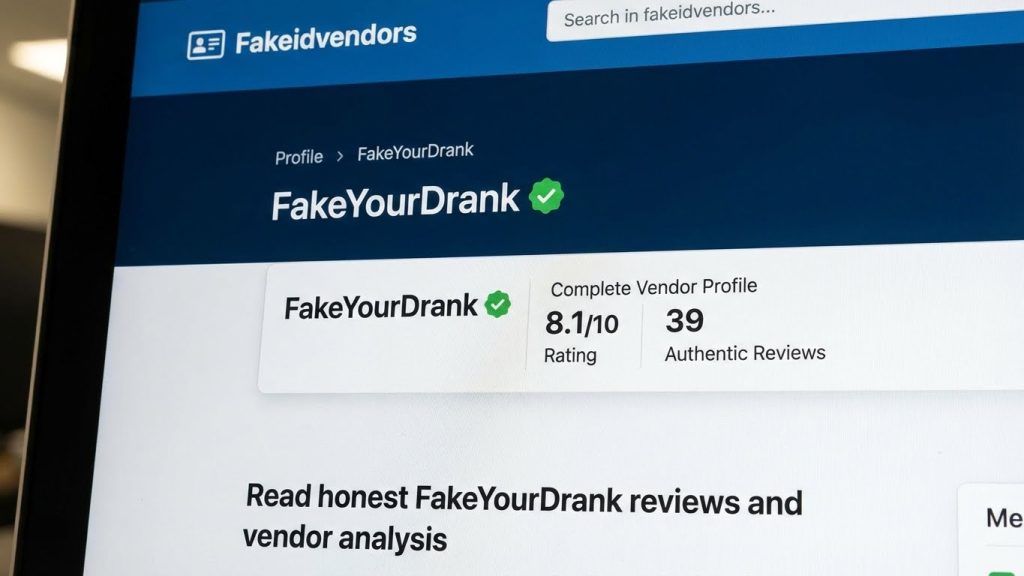
In today’s digital marketplace, consumers rely heavily on search engines to guide their purchasing decisions. One phrase that has surfaced frequently in online search trends is fake your drank. While the wording might seem unusual, it typically points to concerns about imitation products, misleading labels, and online authenticity.
Instead of interpreting it in a harmful way, this keyword reflects a wider trend: people want to understand whether the products they buy are real, safe, and high quality. It’s a clear signal that consumers are becoming more aware of counterfeit risks and are seeking reliable information before they commit to a purchase.
This presents an important opportunity to highlight the value of product verification, trusted vendors, and consumer education, all of which play essential roles in modern e-commerce.
Understanding Why Consumers Search “Fake Your Drank”
In many cases, users searching this phrase are not looking for illegal advice—they are seeking clarity. They want to know:
- How to recognize an authentic product
- How to avoid buying something mislabeled or misleading
- Which vendors or marketplaces can be trusted
- What signs indicate that a product may not be genuine
This search trend reveals that customers take safety seriously and are actively trying to protect themselves from potential risks.
The Rise of Counterfeit Concerns in the Online Marketplace
As online shopping grows, so do concerns about counterfeit or unsafe items. Many products today—from beverages and supplements to cosmetics and everyday goods—are vulnerable to imitation.
This makes product transparency and brand accountability more important than ever.
Counterfeit products can:
- Mislead consumers
- Contain unknown or low-quality ingredients
- Damage trust in legitimate brands
- Compromise customer health and safety
Searches like “fake your drank” reflect the public’s desire to avoid these issues and choose informed, safe purchasing pathways.
Why Product Authenticity Matters More Than Ever
Authentic products ensure reliability, safety, and trustworthy experiences. For consumers, authenticity matters for several reasons:
1. Health and Safety Protection
When consumers choose verified products, they reduce the risk of consuming something that may contain harmful or untested ingredients.
2. Accurate Product Information
Authentic goods come with accurate labels, proper packaging, and transparent ingredient lists—making it easier for buyers to understand exactly what they are purchasing.
3. Confidence in Purchasing
When people trust the product and the seller, they feel confident in spending their money. This strengthens the overall online marketplace.
The “fake your drank” keyword highlights how much trust matters in e-commerce today.
How Consumers Can Avoid Misleading or Inauthentic Products
Consumers today have more tools than ever to identify trustworthy items online. Instead of focusing on imitation, shoppers can follow clear, responsible steps to stay safe and informed.
Purchase Only From Reputable Vendors
Verified platforms with transparent vendor profiles, clear product descriptions, and customer reviews are far more reliable.
Check Labels and Packaging
Authentic products provide consistent branding, detailed ingredient information, and proper labeling.
Read Customer Feedback
Reviewers often share specific details that help new buyers determine whether the product meets expectations.
Look for Clear Return or Refund Policies
Trustworthy sellers provide reasonable return options and responsive support.
These simple steps help shoppers confidently avoid low-quality or misleading products.
Why Transparent Vendors Stand Out in Today’s Market
For sellers, building trust is no longer optional—it is essential. Platforms that support transparency encourage:
- Clear descriptions
- Authentic product photos
- Verified seller profiles
- Customer support availability
- Proper handling and shipping practices
When consumers search for terms related to authenticity—such as “fake your drank”—they are often seeking clarity about which sellers they can trust. Vendors who prioritize honesty and quality naturally gain stronger reputations and long-term customer loyalty.
Consumer Education Is the Best Defense Against Counterfeit Goods
Education empowers consumers to make smart, safe choices online. By understanding what authenticity looks like, buyers can confidently avoid misleading or low-quality items.
Search trends like “fake your drank” demonstrate a growing awareness among consumers, and this awareness should be supported with:
- Clear guidance
- Accurate information
- Transparent marketplace practices
- Awareness of product quality and safety
This strengthens the entire digital purchasing ecosystem.
Conclusion
The increase in searches for “fake your drank” shows that modern consumers are actively trying to understand product authenticity and avoid misleading purchases. Rather than encouraging risky behavior, this keyword brings attention to the need for education, transparency, and trustworthy sellers in today’s online marketplace.
By promoting safe purchasing habits and emphasizing the importance of verified products, both consumers and vendors can create a healthier, more reliable online environment. Informed shoppers make better decisions—and responsible sellers benefit from that trust.
